The Importance of Modern Security Services in Today's Risk Environment
In today's rapidly changing risk landscape, you can't afford to overlook modern security services. Cyber threats are more sophisticated than ever, and physical breaches can destroy your business. Business Security Camera Systems With economic impacts and reputation deterioration on the line, it's critical to grasp how extensive security solutions protect your interests. But what exactly makes these services essential? Let's examine the components that can protect your organization from changing threats.
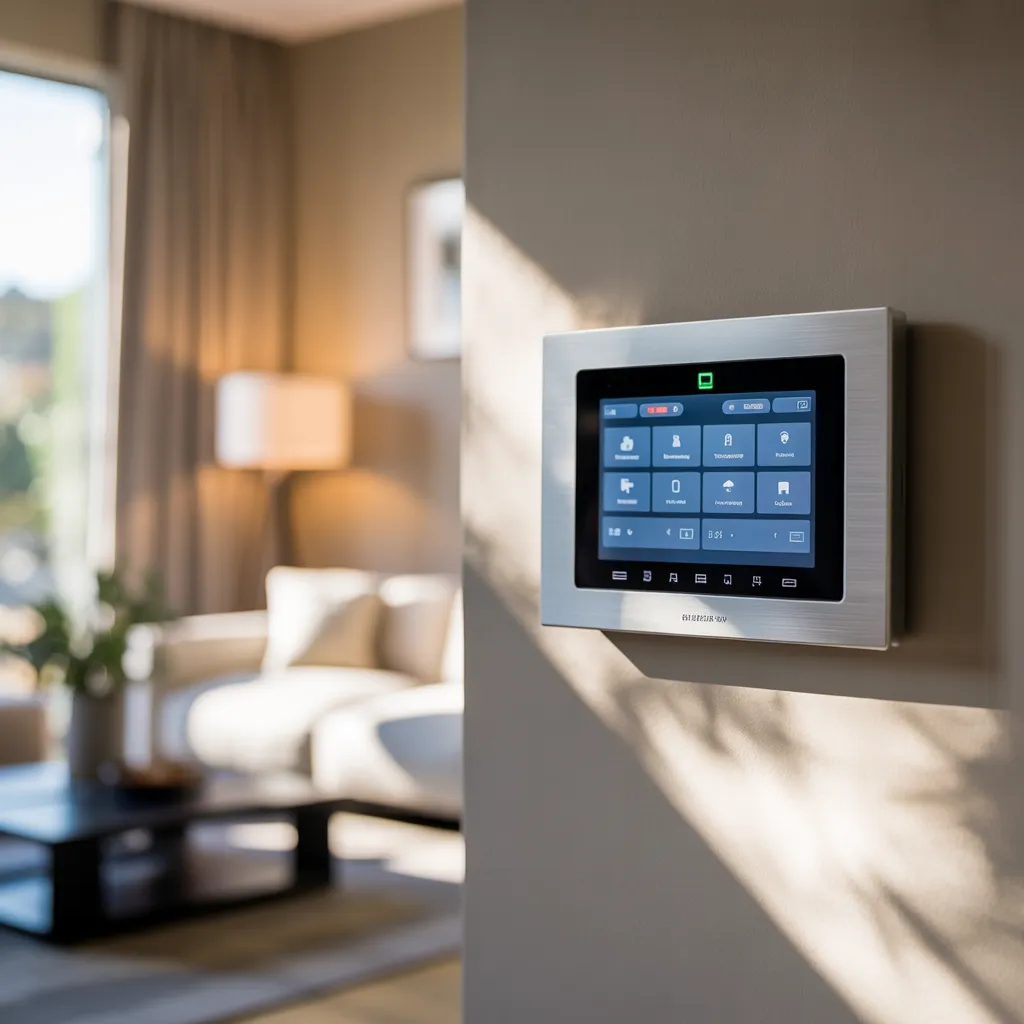
The Evolving Risk Landscape: Understanding Modern Security Needs
As organizations move through a progressively complicated environment, recognizing today's security demands becomes crucial. You confront a terrain abundant with multiple risks, ranging from tangible intrusions to cyber weaknesses. Understanding these transforming hazards assists you to anticipatively defend your holdings. You should examine your specific susceptibilities and organize security strategies that manage them competently.

Investing in extensive security solutions can bolster your defenses, making certain that you're prepared for whatever challenges emerge. Regular training and awareness programs for employees are vital, as human error often plays a significant role in security breaches. By keeping up with latest trends and technologies, you can modify your strategies accordingly. At the core, a proactive approach to security isn't just about protection; it's about cultivating trust and resilience within your organization.
How Do Cyber Threats Impact You and Your Business?
Cyber threats can hit your business hard, causing major financial setbacks and unanticipated expenditures. They also put at risk your standing and diminishing consumer faith, which can require years to restore. Furthermore, handling the complications of compliance requirements becomes significantly harder in the aftermath of a breach.
Financial Consequences of Cyberattacks
When your organization experiences a cyber attack, the financial repercussions can be crippling. You might encounter immediate costs for recovery efforts, including hiring cybersecurity specialists and repairing damaged systems. Additionally, there are often hidden costs like lost productivity and disrupted operations that can persist long after the attack. You could also face legal fees if sensitive customer information is compromised, potentially bringing potential lawsuits and fines. Your insurance premiums may escalate, adding to your long-term expenses. If you utilize third-party vendors, their vulnerabilities could also impact your financial stability. In the end, the cumulative effect of these factors can severely strain your budget, making it crucial to invest in robust security services to mitigate these risks and protect your bottom line.
Damage to Reputation and Trust
Trust is a fragile commodity in today's digital landscape, and a security breach can break it in an instant. When cybercriminals infiltrate your systems, the aftermath can be severe. Clients may lose confidence in your ability to protect their data, resulting in a reduction in business. You may discover that negative publicity spreads quickly, harming your company's standing. Once trust is lost, it demands considerable time and effort to rebuild. Your competition may leverage your misfortune, further undermining your market position. It's crucial to recognize that the consequences of a cyber threat go beyond immediate financial losses; they can deeply impact your sustained connections with clients and stakeholders. Implementing advanced security services is essential for preserving your reputation and ensuring trust endures.
Navigating Regulatory Compliance Challenges
As enterprises continually lean on digital operations, managing regulatory compliance becomes a daunting task, especially in light of cyber threats. You face a constant battle to stay updated with ever-evolving regulations like GDPR or HIPAA, all while ensuring your systems are secure. A single data breach can not only result in hefty fines but also damage your trustworthiness. Compliance doesn't just mean completing checklists; it requires an active strategy to security, engaging with continuous monitoring and risk assessments. The pressure to protect sensitive information can feel insurmountable, but investing in modern security services can help you navigate these complexities. With the right support, you can protect your organization and maintain compliance, allowing you to focus on growth instead of fear.
Why Physical Security Is Important Today
In the modern era, the threat landscape is continuously evolving, making physical security more essential than ever. You need solid access control measures to protect your assets and make certain only authorized individuals can access your premises. Ignoring physical security could leave your business susceptible to risks that can rapidly grow.
Developing Threat Arena
Whereas the digital age has altered how we engage and conduct business, it has also given rise to an increasingly intricate threat landscape that necessitates robust physical security measures. You must not disregard the fact that threats now come from various sources, including organized crime, cybercriminals, and even disgruntled employees. As technology progresses, so do the tactics leveraged by those intending to cause harm. Your business premises are vulnerable to physical breaches that can compromise critical data and crucial assets. By focusing on physical security, you provide a safer environment for workers and patrons alike. Investing in surveillance systems, security personnel, and emergency response plans is crucial. Ultimately, staying ahead of these developing threats is necessary for maintaining your organization's integrity and reputation.
Value Of Implementing Access Control
Access control functions as a cornerstone of effective physical security, guaranteeing that only authorized individuals can enter specific areas within your organization. By implementing comprehensive access control measures, you can protect sensitive information and assets from unauthorized access. Using key cards, biometrics, or security personnel, these systems allow you to manage who can enter, when, and for how long.
In the modern security landscape, where dangers develop swiftly, it's crucial to adjust your access control approaches. Physical security not only deters intruders but also promotes a protected environment for workers and visitors. By prioritizing access control, you display your commitment to safety and protection, safeguarding your organization's reputation and operational integrity. Never underestimate the critical nature of these measures in your complete security approach.
Vital Elements of Complete Security Services
Effective security services rest upon several key components that work together to create a strong protection framework. First, risk assessment aids in identify vulnerabilities and prioritize threats, making certain your resources focus where they're needed most. Next, integrated technology, such as surveillance cameras and access control systems, delivers real-time monitoring and data collection. Training personnel to recognize security issues is also vital; well-prepared staff can act swiftly in emergencies. Additionally, incident response plans are essential for minimizing damage when breaches occur. Finally, regular audits and updates ensure your security measures adapt to evolving threats. By incorporating these components, you'll create a thorough security service that effectively protects your assets and enhances overall safety.
Are Security Services Worth the Investment?
Purchasing security services can feel challenging, especially with so many options accessible. However, when you evaluate the benefits, it becomes apparent that security services are a valuable investment. They deliver peace of mind, knowing that your resources, employees, and customers are secure. With the increase of cyber threats and physical security risks, having a comprehensive security system has become essential; it's a necessity.
Additionally, a good security service can stop potential losses and reduce liability, ultimately saving you money in the long run. Consider the value of your reputation—security breaches can damage it irreparably. By utilizing security services, you're not just protecting your business; you're building its future. It's a smart move you won't regret.
Picking the Right Security Service for Your Needs
How can you identify which security service is right for your specific needs? Commence by evaluating your risks and vulnerabilities. Pinpoint what assets you need to secure—whether it's physical property, data, or personnel. Next, assess the type of security service that fits your situation. Do you need armed guards, surveillance systems, or cybersecurity solutions? Consider your budget and the level of expertise necessary. Investigate potential providers, looking for reviews and their experience in your industry. Don't be afraid to ask questions about their protocols and technologies. Finally, make sure the service can adapt to your growing needs. By taking these steps, you'll be better equipped to opt for a security service that provides effective protection tailored to your unique circumstances.
Future Trends in Security: What to Expect in Security Services
As technology continues to evolve, security measures should adjust to tackle developing dangers and issues. You can expect to see an heightened emphasis on AI-based security solutions, which can process information instantly to identify irregularities and prevent incidents before they escalate. In addition, the rise of remote work will demand more robust cybersecurity measures, ensuring that sensitive information remains secure outside traditional office environments. Biometric identification and facial recognition will likely become standard features, bolstering access control. Moreover, integration of IoT devices in security systems will improve monitoring processes. As these trends materialize, you must stay informed and prepared to leverage new technologies to protect your assets properly. Adopting these changes will be crucial for making certain your security remains resilient.
Common Questions
How Do I Evaluate My Existing Security Weaknesses?
Commence by undertaking a complete security audit, recognizing key assets and potential threats. Evaluate your current measures, consult your team for feedback, and consider using vulnerability assessment tools to detect weaknesses demanding immediate attention.
Which Certifications Should I Consider in Security Service Providers?
Search for certifications including copyright Security Professional (copyright), Certified Information Security Manager (CISM), and Security+ in security service providers. These qualifications indicate their expertise and devotion to maintaining high security standards for your company.
How Often Do I Need to Update My Security Protocols?
It's important to update your security protocols at least annually, or anytime important changes arise in your organization. Ongoing reviews help identify vulnerabilities, confirming your protections stay robust against evolving threats and possible risks.
How Much Do Full-Service Security Options Cost?
Thorough security services typically cost between $1,000-$10,000 per month, according to your needs and the scale of your organization. It's vital to analyze your individual requirements to receive an accurate estimate.
How Can Staff Members Contribute to Workplace Security?
You're able to contribute to workplace security by maintaining vigilance, flagging unusual activity, observing safety measures, engaging in training programs, and encouraging open communication with coworkers. Your active involvement helps establish a safer work environment for all team members.