The Importance of Business Security Systems for Operational Safety
In our modern fast-moving commercial setting, security systems are no longer merely a choice; they're necessary to safeguard your assets and employees. By putting in place a strong security framework, you can prevent potential threats while promoting a culture of safety. But what exactly makes these systems successful, and how can you adjust them to meet your particular circumstances? Understanding the intricacies of business security could be the key to achieving uninterrupted business processes and confidence.
Why Security Systems Are Essential for Businesses
As you consider the potential risks your business confronts, it's apparent why security systems are necessary. Protecting your assets from theft, vandalism, and unauthorized access is vital for upholding operational integrity. A reliable security system not only secures your physical property but also enhances employee safety, building a secure working environment. Moreover, it helps you satisfy regulations and avoid costly fines linked to safety and security breaches. Having a security system in place can inhibit criminal activity, ensuring your business remains a safe haven for both employees and customers. By investing in security measures, you demonstrate your commitment to protecting your business's future, enabling you to focus on growth and success without the constant worry of potential threats.
The Role of Technology in Modern Business Security
With technology's ongoing evolution, it plays an essential role in shaping modern business security solutions. You can employ advanced tools like artificial intelligence and machine learning to boost threat detection and response. These technologies evaluate behavioral patterns in real-time, permitting you to identify potential risks before they escalate. Cloud-based security systems provide remote monitoring, giving you the flexibility to control your security from anywhere. Mobile apps can offer instant alerts and updates, keeping you connected to your business's safety. Furthermore, integrating biometric systems ensures that only authorized personnel access sensitive areas. By adopting these technological advancements, you're not just protecting your assets but also fostering a safer environment for both staff and customers.
Vital Components of an Well-Designed Security System
To create an effective security system, you have to focus on key components including surveillance camera systems and access control measures. These elements operate in tandem to oversee and control who can gain entry to your premises. By implementing them, you can significantly boost your business's security.
Monitoring Camera Solutions
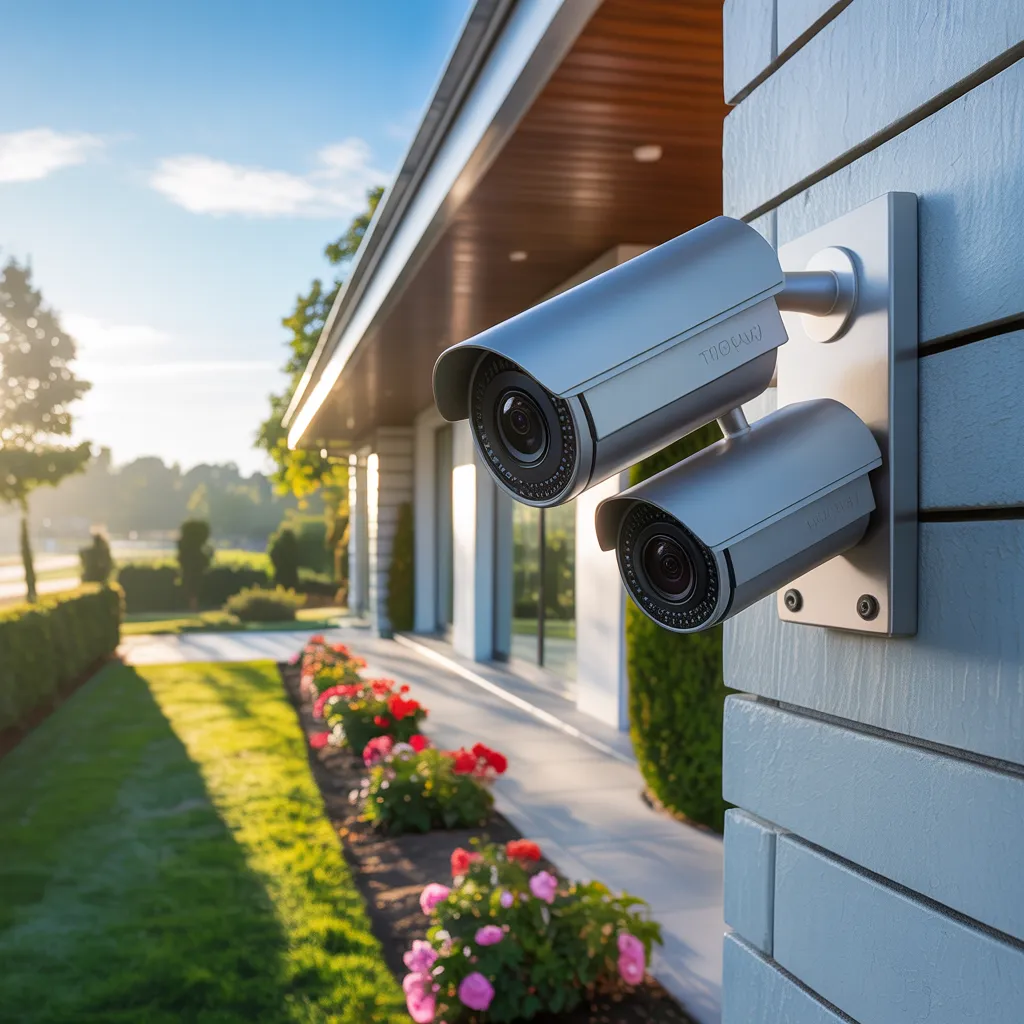
Security camera systems are essential for any comprehensive security approach, providing peace of mind and a proactive method to safety. These systems enable you to watch over your premises in real-time, preventing potential threats and providing valuable evidence in case of incidents. When picking a camera system, consider video clarity, field of view, and low-light capabilities to ensure clear images under various conditions. Additionally, integrating cameras with remote access features enables you to watch over your premises from anywhere. Regular maintenance and updates are essential to keep your system operating optimally. By investing in a comprehensive surveillance setup, you enable your team to focus on operations while you secure your assets, creating a safer environment for everyone.
Access Management Protocols
Although surveillance camera systems play a crucial role in monitoring your business, access control solutions are equally vital for safeguarding your premises. These systems help you manage who can enter specific areas, decreasing the risk of unauthorized access. You can implement keycard systems, biometric scanners, or mobile access solutions to guarantee only authorized personnel can enter sensitive locations.
Monitoring access logs can also assist you in tracking movements within your facility, boosting accountability. Regularly updating access rights and conducting audits ensures your security remains tight. By merging these measures with your surveillance systems, you establish a robust security strategy that shields your assets and improves overall operational safety. Making a priority of access control is crucial to maintaining a secure environment for your business.
Pinpointing Prevalent Safety Risks
As companies become more dependent on technology, pinpointing common security risks becomes vital for protecting assets and maintaining operational integrity. You should begin by evaluating potential threats, such as data breaches, unauthorized access, and physical theft. Online security breaches, like phishing and ransomware, can undermine sensitive information and disrupt operations. Additionally, insider threats from employees can introduce considerable risks if proper protocols aren't followed. Don't neglect environmental risks, such as natural disasters or equipment failure, which can also impact your security. By recognizing these vulnerabilities, you can better prepare your organization to confront them proactively. A proactive approach to identifying risks assures that you stay one step ahead, ultimately protecting your business's reputation and financial stability.
Best Practices for Evaluating Your Security Demands
What's the best way to assess your security needs for business protection? Initiate the process with a detailed risk analysis. Recognize security gaps in your business, from physical access areas to digital assets. Engage employees in discussions about their concerns and experiences; they often spot issues you might overlook. Subsequently, examine your present security systems. Are they adequate, or do they leave gaps? Investigate industry benchmarks and recommended practices to measure your security procedures. Subsequently, factor in your business scale, location, and type of operations; these aspects determine your unique needs. Lastly, work with security experts to obtain advice customized to your circumstances. This complete approach assures you recognize your security terrain and can execute effective protections.
Training Employees on Effective Security Protocols
Educating your staff on proper security measures is crucial for safeguarding your company. Regular training sessions keep everyone updated on the latest threats and best practices, while practical training scenarios provide dynamic and lasting learning opportunities. By emphasizing security education, you enable your staff to respond effectively in protecting your business.
Significance Of Security Training
Comprehensive security training is vital in protecting your business against potential threats. When you provide your employees with the appropriate knowledge and skills, they become your first line of defense. Understanding security protocols helps them recognize suspicious activities and respond effectively. This proactive approach decreases risks and fosters a culture of vigilance within your organization.
Additionally, thoroughly trained employees are more self-assured in their positions, which can lead to better morale and productivity. They'll know how to handle emergencies, limiting panic and confusion during critical situations. By emphasizing security training, you are not just securing your assets but also empowering your team to support a safer work environment. Eventually, a strong security foundation depends on well-informed and prepared employees.
Consistent Training Sessions Required
While security protocols can be complicated, regular training sessions help guarantee that employees comprehend and implement them effectively. These sessions equip you with the tools and knowledge to navigate potential security threats effectively. By taking part in consistent training, you'll stay updated on the latest security measures and industry standards. It's vital that everyone knows their role in maintaining safety and responding to incidents.
You'll be able to clear up confusion and raise questions in a nurturing setting. This encourages a culture of security awareness, making it more straightforward for you and your team members to identify vulnerabilities. Finally, investing in regular training not only secures your business but also allows you to participate in building a safer workplace.
Immersive Training Activities
Routine training sessions create the basis for more interactive learning experiences, such as engaging simulation exercises. These simulations give you to practice real-world scenarios in a controlled environment, allowing you comprehend security protocols more effectively. By joining these exercises, you'll develop hands-on experience, fostering quick decision-making and Access Control Security Solutions teamwork. You'll learn to identify potential threats and respond appropriately, strengthening your confidence in handling security breaches. Furthermore, feedback from instructors during these simulations enables you recognize areas for improvement. This active approach to training guarantees that you're not just memorizing procedures but truly understanding how to apply them in real-life situations. Finally, engaging simulations strengthen your readiness and contribute to a safer workplace for everyone.
Examine Your Alarm System Performance
What's the best way to verify that your security system is operating effectively? First, establish a habit of reviewing incident reports and security logs regularly. Look for patterns or frequent breaches that indicate weaknesses. Carry out scheduled tests, like practice break-ins, to gauge your system's reaction. It's also crucial to gather feedback from employees about their experiences with security protocols. Are they feeling safe? Are there any communication deficiencies? Furthermore, think about modernizing your equipment. New threats emerge constantly, and outdated systems can't keep up. Ultimately, review your security training efforts to verify workforce competency. By examining these aspects, you'll acquire knowledge about your system's capabilities and pinpoint upgrades, guaranteeing your business maintains security and operational safety.
Frequently Asked Questions
What's the Average Cost of Business Security Systems?
Business security systems typically cost between $1,000 and $10,000, based on your needs. Factors like system complexity, installation, and monitoring services determine the price, so it's recommended to compare options before committing.
What Are the Legal Requirements for Business Security Systems?
It's necessary to comply with local laws, which frequently encompass putting in alarms, surveillance cameras, and access controls. Moreover, some industries might have unique regulations to follow, so check appropriate laws for your business sector.
Can Advanced Security Technology Fit Within Small Business Budgets?
Small businesses can indeed afford advanced security technology. Multiple solutions are offered, like subscription services and scalable systems. You can select budget-friendly solutions, securing your business affordably.
When Should Security Systems Be Updated or Upgraded?
You should update or upgrade your security systems every few years, or sooner if technology advances considerably. Periodic reviews help uncover vulnerabilities, ensuring your security maintains effectiveness against changing threats and possible risks.
What Actions Are Necessary After a Security Breach Happens?
In the wake of a security breach, you should immediately assess the extent of the compromise, notify impacted individuals, reset passwords, and strengthen your security measures. Finally, record the incident and analyze your protocols to avoid future breaches.